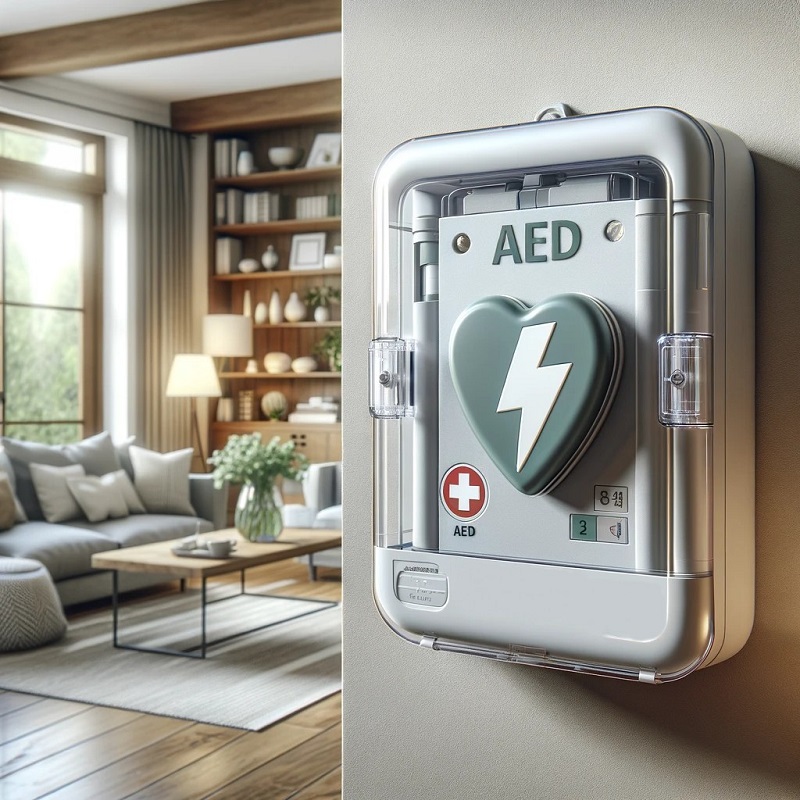
Heat Stroke: Prevention and Treatment – A Guide for Workplaces
- by Sduehring
Table of Contents

Heat stroke is a silent yet deadly adversary.
In fact, regarding health emergencies in the workplace, their #1 concern often is…
Heat stroke.
Many employers have NO idea how to prevent or treat it. This knowledge gap can be what separates a safe and healthy work environment from one that’s potentially dangerous. But if you don’t know how to combat heat stroke effectively, your workforce may never reach its full potential regarding productivity and morale.
1. Recognizing Heat Stroke Symptoms
The first step in dealing with heat-related illnesses is recognizing the symptoms of a potential heat stroke.
This condition occurs when your body’s temperature rises rapidly, often due to extreme exposure to higher temperatures or strenuous activity without adequate hydration.
Symptoms and Signs
A high body temperature that can be fatal if not promptly treated characterizes heat stroke.
Other signs include hot skin, confusion, altered mental status, slurred speech, and seizures, which indicate this severe heat injury.
Differentiating from Other Heat Illnesses
Beyond just understanding what constitutes a core body temperature indicating possible danger,
Preventing Heat Stroke
The human body is a remarkable machine, but it can only withstand a certain amount before succumbing to the pressures of extreme heat.
You should consider several measures to prevent heat-related illnesses, such as heat stroke and heat exhaustion.
Stay Hydrated
Maintaining proper hydration levels prevents your core body temperature from rising rapidly.
This doesn’t just mean drinking when you’re thirsty; dehydration may have already occurred. Instead, consume plenty of fluids throughout the day, especially during strenuous activity or higher temperatures.

Avoid Overexertion During Peak Sun Hours
If possible, avoid engaging in rigorous physical activities during peak sun hours (usually between 10 am – 4 pm). This helps reduce exposure to extreme heat, potentially leading to a dangerous increase in body temperature, which might result in heat injury.
Cool Down Regularly
Your environment plays an essential role, too. Use air conditioning where available, or seek out cool areas for breaks if working outdoors. If neither option is feasible, consider using cold, wet cloths on the skin for effective cooling.
Dress Appropriately For The Weather
Lightweight, loose-fitting clothing allows sweat, your natural cooling mechanism, to evaporate more quickly than tight clothes.
3. Treating Heat Stroke
Time is of the utmost importance when managing heat stroke.
The goal is to lower the body’s temperature as rapidly and safely as possible.
Cooling Techniques
Effective cooling methods are crucial in this process.
If you’re near a cool area with air conditioning, move there immediately; if not, find shade or another cooler environment quickly.
- To help reduce core body temperature, apply cold, wet cloths on the skin and place them in areas such as necks and armpits where blood vessels lie close to the surface.
- An ice bath can be beneficial but should only be used under medical supervision due to its potential risks.
- Spraying cool water while fanning can also stimulate sweat evaporation, cooling your body effectively.
Note:
Avoidance Of Further Exposure To High Temperatures
This may seem obvious, yet it is still worth mentioning: If someone has suffered from a severe form of heat-related illness, like a heat stroke, they need rest. It’s crucial for them to not only physically recover by lowering their internal temperatures back within the normal range but also mentally recuperate, too, since these experiences often leave individuals feeling emotionally drained alongside all other physical symptoms experienced during an episode.
We’ll now delve into how we differentiate between two common illnesses related to higher temperatures: Heat Exhaustion and actual Heat Strokes. Understanding this distinction will enable us to handle situations head-on in hot environments… Stay tuned for our next discussion.
4. Comparing Heat Exhaustion and Heat Stroke
The contrast between heat exhaustion and heat stroke can be delicate, yet it is critical to comprehend.
Heat exhaustion, a precursor to the more severe heat stroke, is characterized by heavy sweating, rapid pulse, dizziness, fatigue, and cool, moist skin with goosebumps in hot weather conditions.
Symptoms of Heat Exhaustion
- Faintness or dizziness.
- Nausea or vomiting.
- Cool, wet skin despite being in a hot environment – symptoms that should not be ignored.
Distinguishing Between The Two Conditions
- A high body temperature may lead to an altered mental state ranging from slight confusion to unconsciousness.
- Lack of sweat despite extreme heat and dry red skin are common signs.
- Rapid shallow breathing coupled with accelerated heart rate might also occur.
5. AEDs for Heat Stroke Emergencies
When a heat stroke strikes, the body’s temperature rises quickly and can cause serious complications or even death if not treated promptly.
Severe consequences and even death can result from this intense heat if not treated quickly.
The Role of Automated External Defibrillators (AED)
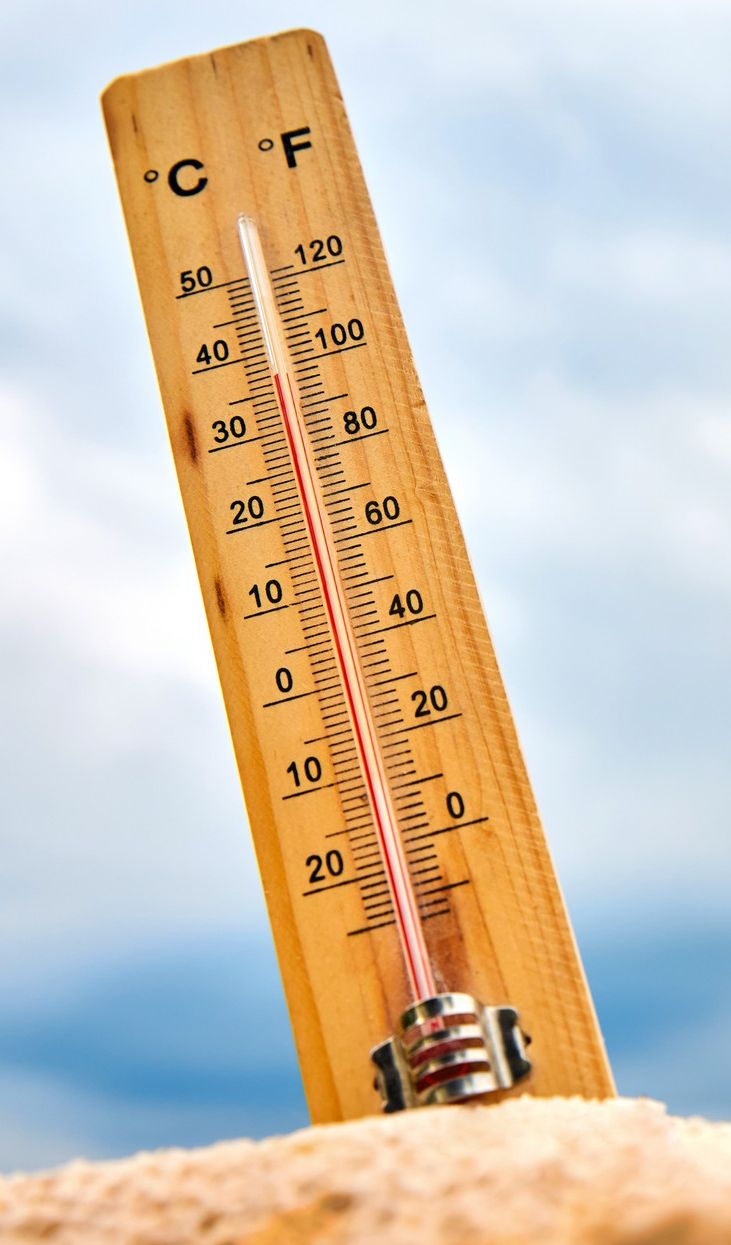
An automated external defibrillator (AED) is essential in these situations.
A high body temperature can cause heart rhythm disturbances that require defibrillation with an AED device.
Treating High Body Temperature with Effective Cooling Methods
- To lower core body temperature, remove excess clothing and move the person to a cool area, preferably an air-conditioned space or at least shade from higher temperatures outdoors.
- You could also immerse them in cool water, like an ice bath; however, this should only be done under medical supervision, as it might pose risks.
- If immersion isn’t possible, place cold, wet cloths on their forehead, neck, armpits, groin, legs, and arms. This will effectively reduce their overall heat stress symptoms.
Recognizing When To Use An AED During Heat Stroke
In case of unconsciousness or irregular heartbeat, seek immediate professional help while you initiate CPR using an AED machine. Be a link in the out-of-hospital chain of survival.
6. Training
The importance of training in managing heat-related illnesses cannot be overstated.
In the face of extreme heat, knowledge is power. It can make a significant difference in preventing or treating conditions like heat stroke, heat exhaustion, and other forms of heat injury.
First Aid for Heat Stroke Emergencies
A critical aspect involves understanding how to respond if someone’s body temperature rises rapidly due to exposure to a hot environment and symptoms are detected.
This includes knowing that high body temperature fatal outcomes can be avoided by effective cooling techniques such as immersing the person in cool water or an ice bath, applying the skin, placing cold, wet clothes on their bodies, and moving them into air conditioning or at least a cooler area.
Tailored Training For Specific Environments & Roles:
- To ensure maximum effectiveness, tailored training could include specific modules focusing on higher temperatures environments where risk factors are significantly increased.
- For instance, those working outdoors during summer would benefit from specialized instructions about staying hydrated and taking regular breaks from strenuous activity.
FAQs about Heat Stroke
What are some key facts about heat stroke?
What does heat stroke do to you?
Heat stroke can cause symptoms like confusion, rapid breathing, and racing heart rate. If not treated promptly, it may lead to complications such as organ damage, brain injury, or even death.
What are the four stages of heat exhaustion?
The four stages include dehydration (thirst), water depletion (weakness and unquenchable thirst), salt depletion (nausea and muscle cramps), and finally, full-blown heat exhaustion with possible fainting.
What are the odds of surviving a heat stroke?
The survival rate for heat stroke varies depending on its severity and how quickly treatment is received. With prompt medical attention, most people recover fully from mild-to-moderate cases.
Conclusion
You’ve learned how to recognize its symptoms and take prompt action.
Prevention methods are no longer a mystery – staying hydrated and taking breaks can make all the difference.
You know how to treat heat stroke effectively, from cooling techniques to seeking medical help when necessary.
What are the differences between heat exhaustion and heat stroke? You’ve got that covered, too!
An AED in an emergency could be your best friend. Now you understand why!
And let’s not forget about First Aid training – it’s crucial for any workplace environment.
Contact us at www.emccprtraining.com/contact or 800-695-5655 to learn about our onsite CPR/AED training and AED sales.